Crime Scene Cleanup
Crime scene cleaning begins after police release and covers blood, odor and the affected property.
See crime scene cleanupGet blood, bodily fluids, contaminated materials and odor removed after investigators release a home, rental, business or vehicle in Tulsa County. The cleanup scope is based on where contamination traveled.
Homicide cleanup is a specialized form of crime scene cleanup that removes blood, bodily fluids and other contaminated materials after investigators finish their work and release the property.
The investigation is the responsibility of law enforcement and the medical examiner, not property cleaning. A relative, landlord, owner or other person with authorization can arrange homicide cleaning once officials have released the scene.
Cleanup technicians first trace where contamination reached, including areas around the affected room. Unaffected spaces are protected. Materials that cannot be disinfected come out, while surfaces suitable for disinfection receive treatment. This goes beyond routine cleaning and also includes odor removal, proper hazardous waste packaging and disposal, plus insurance company records if requested.
You can request details about cleaning, necessary removals, waste movement off the property and the work left for restoration.
Before any removal choice, salvageable personal property is set aside and discussed with you.
You may protect privacy by requesting unmarked vehicles and allowing only authorized people into the property during this difficult event.
Your discussions with insurance companies and property owners may be supported by photographs, item inventories, work notes and waste documentation.
Homicide cleanup services are needed when a violent death leaves blood or other biological material in a home, rental, business or vehicle. Common situations include:
A landlord or authorized property manager may arrange scene cleanup after police release the unit and the family removes essential belongings.
Checks of carpet, insulation, seats and trim determine which materials are cleanable and which require removal.
Blood and tissue can reach walls, ceilings, furniture, carpet and hidden joints, so the full path must be traced.
Surface wiping is not enough when visible blood extends under the floor or behind trim.
Before technicians enter for cleanup, focus on staying away from exposure, preserving helpful claim details and respecting the active investigation. Your first steps are:
Call (888) 440-9227Published figures for a violent crime scene start with a typical $2,500 to $9,000 per job. Smaller homicide scenes sit at $2,000 to $6,000 while larger scenes reach $3,000 to $10,000 in the same guides. Think of these as planning ranges, not a price quote. Your final scope is set after the assessment.
Published national cost guides are the source for these ranges, rather than an inspection of your property. After an on-site assessment, the price for your property is determined and shared with you before cleanup begins.
Ask about cost: (888) 440-9227Insurance may pay toward homicide cleanup through a commercial, homeowners or renters policy. Coverage is determined by the loss, the policy and its deductible.
Ask the insurance company which photos, item lists, scope notes, invoices and waste records it needs. Retain everything you send to the insurance company.
Tell the insurer what happened after police release the scene. Check if coverage includes restoration, biohazard cleanup and damaged structural materials.
Victims of violent crime can ask the Oklahoma Crime Victims Compensation Program, run through the Oklahoma District Attorneys Council, about crime scene cleanup, which the Crime Victims Compensation Act lists as an allowable expense. Insurance is usually checked first.
Responsibility for arranging the work and covering the cost can vary with local law, ownership, insurance terms and the lease. Landlords and tenants should contact their insurers.
Remediation proceeds in a controlled sequence once the scene is released. The path of contamination, the materials that are still safe to save and applicable waste rules guide each step.
The authorized person identifies known affected areas, and technicians inspect nearby surfaces, floor edges, contents and possible travel paths.
Clean rooms are kept apart from the work area. Suitable personal protective equipment and controls help cleanup technicians limit the movement of contamination outside the scene.
Visible blood and bodily fluids are collected with methods suited to each surface before detailed cleaning and disinfection begin.
Carpet, pad, drywall, upholstery or subfloor that cannot be fully disinfected is removed in the smallest practical area.
After thorough scene cleaning, an EPA-registered disinfectant remains wet on each cleanable surface for the contact time stated on its label.
After source removal, filtered air and focused treatments can reduce odor affecting indoor air, materials that remain and adjoining areas.
After contaminated waste is sealed and labeled, it is moved in accordance with applicable requirements and available disposal records are retained.
The closing assessment examines completed work, returns salvageable personal property according to the agreement and records removed finishes for restoration services.
Call any hour. A specialist in homicide cleanup takes your call, explains each step and agrees on a start time with you.
Blood, other bodily fluids and contamination hidden from view may create serious health risks. A dry appearance or a visibly small area does not remove those concerns.
Blood may contain HIV, hepatitis B or hepatitis C. Dried blood must still be controlled carefully because the CDC says hepatitis B survives on surfaces for at least seven days.
For family and loved ones, the scene may be very distressing. Direct contact with the affected room and personal property can be avoided by family members through professional cleanup.
Soaked porous material and used protective equipment may require regulated packaging, transport and disposal under applicable medical waste rules.
Can you clean it yourself? Disposable gloves may be used to clean a minor amount of fresh blood from hard non-porous material, along with an EPA-registered disinfectant left for the entire label contact time. Stay out and seek professional cleanup if blood affected drywall, fabric, wood, carpet or any space whose boundaries are uncertain.
Whether an item absorbed blood helps determine what remains. Porous material usually requires removal, while non-porous surfaces may stay when all exposed parts are reachable for disinfection.
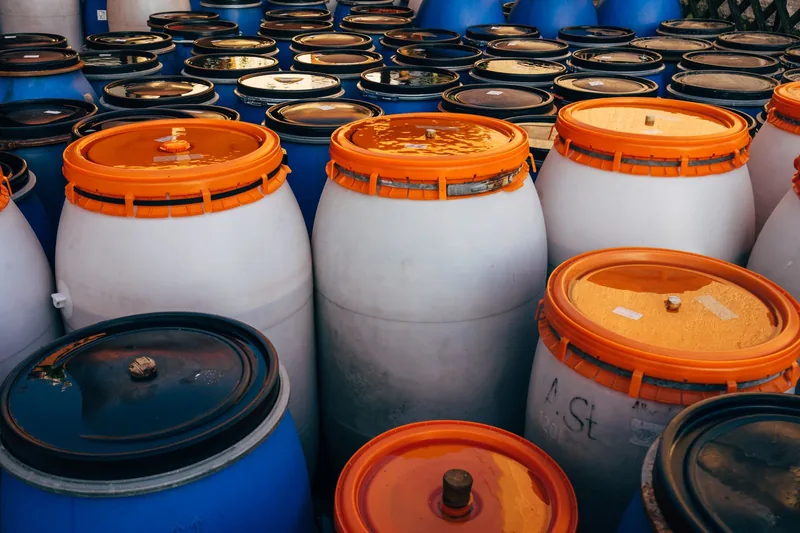
A timeline for homicide cleaning is shaped by scene access and size, the number of affected rooms, depth of contamination and amount that must be taken out. You can receive a more practical schedule once the initial assessment is complete.
| Scene | Typical time on site |
|---|---|
| Limited affected area with accessible surfaces | Schedule set after inspection and scene release |
| One affected space containing absorbent materials for removal | Could need a distinct restoration stage after cleaning |
| Several rooms or structural contamination | Often involves a phased cleanup scope and extended restoration |
Odor cannot be corrected with fragrance alone when fluids remain absorbed in drywall, hidden cavities, carpet, furniture or subfloor. The source must be located and removed first.
HEPA air scrubbers may filter particles from the air following removal of contaminated material. If equipment instructions permit, hydroxyl treatment can be suitable where a space remains occupied. Strict controls apply to ozone, and nobody may be in the treatment area. Vents and rooms next to the scene may also be checked as part of cleaning before you continue.
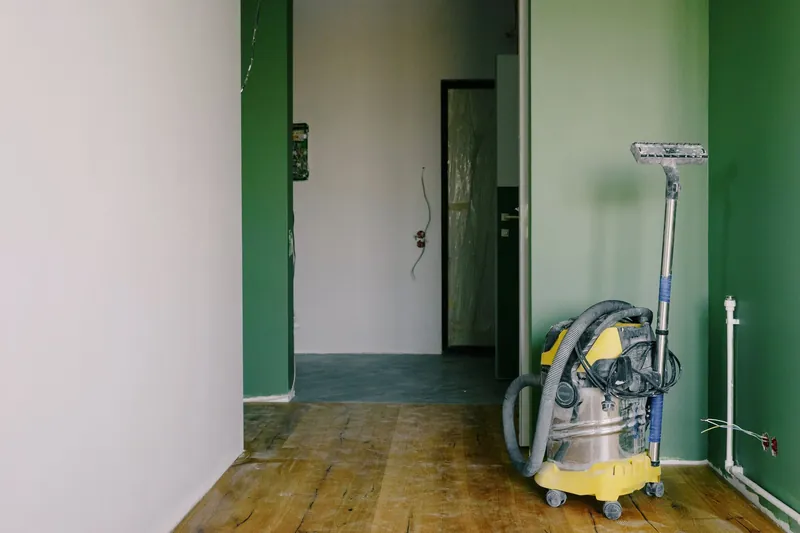
The full homicide cleanup guide covers what is cleaned or removed, odor and air quality work, and the rules that apply in Oklahoma and Tulsa County.
Read the full homicide cleanup guidePlanning for access, containment and cleanup can depend on local population, housing and entry conditions.
The nearest listed emergency facility is Ascension St. John Medical Center, about 4.8 miles away, so medical care remains separate from property cleanup.
Directions that mention Rosewood, McKinley Mitchell or Wagon Wheel can describe the general area, but crews still need the exact street address and entrance.
A cleanup plan for this neighborhood should account for adjacent homes or units when setting odor control and containment boundaries.
You can ask about cleanup in nearby communities and ZIP codes during the call.
Crime scene cleaning begins after police release and covers blood, odor and the affected property.
See crime scene cleanup
Walls, carpets, furnishings and hard floors receive blood cleanup, with safe disposal afterward.
See blood cleanup
Trauma scene cleanup addresses the aftermath of accidents, injuries and violent incidents.
See trauma scene cleanup
Home cleaning following a death includes affected possessions as well as fluid and odor cleanup.
See death cleanup
Careful, private suicide cleanup keeps family members from having to confront the scene.
See suicide cleanup
When a death remains undiscovered for days, cleanup addresses decomposition and controls odors.
See unattended death cleanup
Forensic cleaning of blood also covers investigation residue, tissue and fingerprint powder.
See forensic cleaning
Death odor removal targets the source through ozone treatment, hydroxyl and air scrubbers.
See death odor removalYes. Each falls under death cleanup and trauma scene cleanup, yet the conditions may not be the same. Evidence-processing material may remain at a homicide scene, which is controlled by law enforcement until formal release. Time between death and discovery means an unattended death may involve decomposition along with more extensive odor issues.
First, cleanup technicians identify the affected area and establish containment around it. Technicians wearing protective gear collect visible material, remove porous items that cannot be disinfected, clean remaining surfaces and apply an EPA-registered disinfectant for its label contact time. Hazardous waste is packaged before the finished scope receives a final check.
Some or all covered expenses may be paid after the deductible, although terms vary for every policy and every situation. When reporting claim details, ask the insurance company about biohazard cleanup, emergency response work, structural materials and restoration. Store copies of photographs, scope documentation, invoices and disposal papers.
A typical violent crime scene cleanup is listed in published guides at $2,500 to $9,000. A smaller scene is listed at $2,000 to $6,000, while a larger scene is listed at $3,000 to $10,000. The finished scope depends on police release, disposal needs, contamination depth, room count and scene size.
Investigators must permit entry before professional homicide cleaners start work at a murder scene. Containment, detailed surface cleaning, removal of absorbed fluid, disinfection, waste disposal and odor removal may be part of the job. A family member should not enter or clean an area that still contains blood or bodily fluids.
Property outside the contaminated space can either be covered in place or transferred into a clean room. Items within the scene are assessed individually. Cleaning may work for hard, non-porous items. Absorbent items may require removal, but decisions about keepsakes, records and photographs should first be reviewed with you.
Discreet, respectful homicide cleanup, 24 hours a day, with crews in unmarked vehicles.